High-performance glass bubble & hollow glass microsphere 60 is a kind of ultra-lightweight inorganic non-metallic material with hollow structure, and it is a versatile and high-performance new lightweight material developed in recent years. It will be the new composite materials at twenty-first century. Its true density is 0.15-0.60g/cm3 with 2-120m in diameter. It owns features with light weight, large bulky, low thermal conductivity, high compressive strength, smoothly mobility etc.
Glass Bubbles for Construction
Potential enhancements include high filler loading, reduced warpage/shrinkage, sandability and more.
Product Function
Reflective glass beads can improve the retro-reflection property of the road marking line. Driving at night, the headlights shines on the road marking line with glass beads, the light of headlights is reflected back parallelly. so the driver can see the road ahead clearly, and drive safely at night.

High-performance glass bubble & hollow glass microsphere T46 is a kind of ultra-lightweight inorganic non-metallic material with hollow structure, and it is a versatile and high-performance new lightweight material developed in recent years. It will be the new composite materials at twenty-first century. Its true density is 0.15-0.60g/cm3 with 2-120m in diameter. It owns features with light weight, large bulky, low thermal conductivity, high compressive strength, smoothly mobility etc.
Hollow glass bubble material can be applied in many fields in order to enhance or improve the water resistance, compressive strength, shrinkage and the impact strength of the material and the like. Low density, can be prepared to take the lighter components; low porosity and surface area, the beads absorb less resin, even if a high filling capacity, the viscosity is not high; chemically stable and inert; good anti-cracking performance, the final after the article is easy to handle, such as drilling, cutting and polishing, which is relatively easy to destroy the hollow glass bubble another advantage. Because of hollow glass bubble like shock absorbers, as a result, the compressive strength and impact strength of the product is also improved. Since the hollow glass bubble in preference to the resin matrix and damage, reducing the degree of product being impacted. Hollow glass bubble also has good insulation properties, the properties, especially when encountered in the product during use with hot shock, hollow glass bubble and resin will form the thermal conductivity of the insulating layer are not mutually connected. Finally, due to the hollow glass bubble coloring is not good, so that some white products, but sometimes this is the advantage, on the one hand can reduce the amount of white pigment such as titanium dioxide, can be reduced up to 50%, on the other hand it is worth mentioning that softer color of the final product.
Currently, the use of microwave radar, infrared, radar or other electromagnetic radar and acoustic detection system shield absorbing material has been widespread concern in the military field. Near-infrared reflective material can be used in aviation, aerospace, construction materials, vehicles, weapons and other fields. Hollow glass bubble powder density is small, the metal surface after its treatment, can be substituted denser metal powder or electromagnetic wave absorption preparation screen material used.
Artificial marble and onyx products in the application of hollow glass microspheres larger purpose is artificial marble. In the US, there are a lot of manufacturers are using this filler, it has the following advantages:
1.Improve impact resistance, properly formulated products manufactured its performance is higher than the requirements for artificial marble Association.
2.Continuous improvement of texture and color layout, making the product more attractive, magnificent.
3.Reduce the curing time, the mold has a faster turnover rate.
4.Improved impact strength, improved anti-cracking ability, reduce breakage of the product.
5.Improved machinability, reducing deburring, cutting, drilling and grinding of empty time.
6.Post-processing tools to reduce wear.
7.Improving the light color color performance, while reducing the amount of TiO2. (although sometimes mixed with some darker colors)
8.Light weight, to make it easier in handling and installation process, but also reduces the cost of transportation. Benefits listed above 3-8 can significantly reduce costs.
Currently, the use of microwave radar, infrared, radar or other electromagnetic radar and acoustic detection system shield absorbing material has been widespread concern in the military field. Near-infrared reflective material can be used in aviation, aerospace, construction materials, vehicles, weapons and other fields. Hollow glass bubble powder density is small, the metal surface after its treatment, can be substituted denser metal powder or electromagnetic wave absorption preparation screen material used.
Glass Bubbles are, as the name suggests, hollow bubbles of glass perfect for creating reliable explosive sensation.
With glass bubbles you can be confidant you will get more “bang for your buck.”
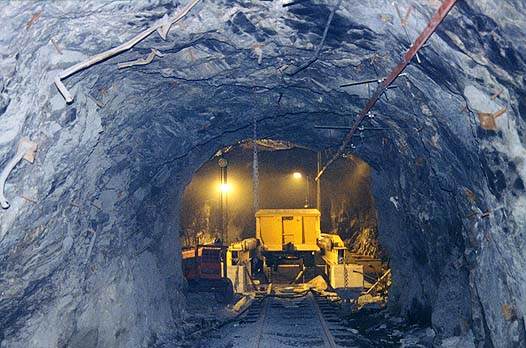
From:3M
High-performance glass bubble & hollow glass microsphere T32 is a kind of ultra-lightweight inorganic non-metallic material with hollow structure, and it is a versatile and high-performance new lightweight material developed in recent years. It will be the new composite materials at twenty-first century. Its true density is 0.15-0.60g/cm3 with 2-120m in diameter. It owns features with light weight, large bulky, low thermal conductivity, high compressive strength, smoothly mobility etc.
Glass bubble as a carrier of a catalyst, with a large surface area, pore size can be translucent in the appropriate range, compared with the organic carrier, it is not subject to microbial invasion, high intensity, can improve the carrier properties, get better catalytic effect. Its development environment for building regulation has used material is a new creation, the bedroom can improve environmental conditions, the environment as a result of the removal of fumes, causing mildew odor, odor, adjust the indoor temperature, humidity, cold, hot, identify environmentally harmful gases such as monitoring of the ecological environment protection and regulation are important. Due to the presence of a large number of micro beads having adsorption characteristics, and can be applied to sensor technology and bio-engineering.
Hollow glass bubble is a new multi-purpose powder material, a lightweight, good mobility, chemical stability, and low cost, as the space age materials. But hollow glass bubble absorbing powder itself does not have the capacity, the need for its surface modification.
In recent years, with the radar, the development of microwave communication technology, increasingly complex electromagnetic environment of space, in order to reduce and mitigate electromagnetic radiation on the social environment and human health hazards, the application of electromagnetic wave absorbing materials increasingly widespread, especially for high-frequency, ultra-high frequency microwave absorbing material needs, and promote the research and development of electromagnetic wave absorbing materials. Absorbing material by molding and the carrying capacity of the coating type and structure can be divided into two types, which is coated absorbing materials in its process is simple, inexpensive and widely accepted, widely used in various electronic products, equipment, electromagnetic radiation protection system. However, the use and development at home and abroad are still absorbing material density and high cost, the scope of application subject to certain restrictions.
In recent years, due to man-made glass bubble consume more energy, people turn to get hollow glass bubble fly ash from thermal power plants. In our current carbon emissions in fly ash, hollow glass bubble is generally about 50%, ash hollow glass bubble emerging as a versatile material, because of its fine particles, hollow, lightweight, high temperature insulation , insulation, wear-resistant, alkali, chemical stability and other properties, has been widely used in building materials, plastics, rubber, paint, chemical, metallurgy, marine and aerospace and other fields.
